
If your insurer denied, delayed, or underpaid your claim in Alaska, you may need an Alaska insurance claim lawyer to review the denial letter, check the policy language, and confirm your deadline. Alaska treats insurance bad faith as its own legal claim, separate from an ordinary coverage disagreement, and the deadline you face depends entirely on which type of claim you actually have.
Most people who search for this kind of lawyer are not looking for a lawsuit. They are looking for clarity. They want to know whether the denial letter sitting on their kitchen table is legitimate or bogus, and how much time they actually have before that question stops mattering.
This guide walks through that process step by step. It covers first- and third-party claims, Alaska’s statute-of-limitations rules, the state’s punitive-damages cap, ERISA disability appeals, and the practical steps to take in the first 30 days after a denial. No filler. Just what a policyholder in Alaska actually needs to know.
What Does A Claim Lawyer Actually Do
A claim lawyer reviews your policy, your denial letter, and the insurer’s own file to determine whether your situation is an ordinary coverage dispute or something more serious called bad faith. That distinction changes everything about your options.
Most people assume a denial is final. It usually is not. Some denials are correct because the loss simply falls outside the policy. Others are wrong, built on a misread exclusion or a rushed investigation that never fully looked at the facts.
The lawyer is not promising you a payout before ever seeing your file. The review checks three things. Does the policy actually cover the loss? Did the insurer investigate the claim fairly? And is there still time left on the clock to act?
Understanding Insurance Bad Faith In Alaska
Bad faith in Alaska means your insurer denied, delayed, or underpaid a claim without a reasonable basis for doing so. It is a different legal problem than simply disagreeing with a coverage decision you think is unfair.
Alaska recognized first-party bad faith as its own tort in the 1989 Alaska Supreme Court decision State Farm Fire and Casualty Co. v. Nicholson. The court held that an insurer’s unreasonable and willful breach of its duty of good faith toward its own policyholder can be pursued as a tort claim, not merely as a broken contract. That ruling opened the door to damages beyond the value of the underlying claim itself.
An Alaska bad-faith insurance lawyer looks for specific warning signs when reviewing a file. A denial letter with no real explanation. Repeated requests for documents you already sent. A settlement offer far below what the loss is actually worth. Not every denial rises to bad faith, and the job of the lawyer is to compare what happened against the actual policy wording, not against how unfair the process felt.
The Covenant Of Good Faith And Fair Dealing
Every insurance policy issued in Alaska carries an implied duty called the covenant of good faith and fair dealing. This means your insurer must investigate your claim honestly, communicate clearly, and pay what it owes once a loss is covered.
This duty is not written into the policy in plain words. It is a legal principle that Alaska courts apply automatically to every insurance contract because the relationship between an insurer and a policyholder is not an equal one. The insurer holds the money, the information, and the decision-making power.
When that duty is broken through an unreasonable denial, delay, or underpayment, the policyholder has grounds to consult an insurance attorney about a possible bad faith claim. This is the legal foundation underneath nearly every bad-faith case filed in the state.
The Alaska Unfair Claim Settlement Practices Act
Alaska Statute 21.36.125 lists specific conduct that state regulators treat as unfair claims handling. Examples include failing to acknowledge a claim promptly, failing to explain a denial in writing, or dragging out an investigation without a reasonable cause.
This statute is enforced administratively by the Alaska Division of Insurance. It does not create a private right to sue. In plain terms, you cannot file a lawsuit against your insurer based on this statute alone, no matter how clearly the conduct matches the list. Every state sets its own consumer rules, so drivers comparing Delaware car insurance quotes will find different protections there.
An Alaska insurance dispute lawyer often uses two separate tools at the same time. A complaint filed with the Division of Insurance applies regulatory pressure and creates an official record. A common-law bad-faith claim, when the facts support one, is the actual legal path toward compensation.
First Party Claims Versus Third Party Claims
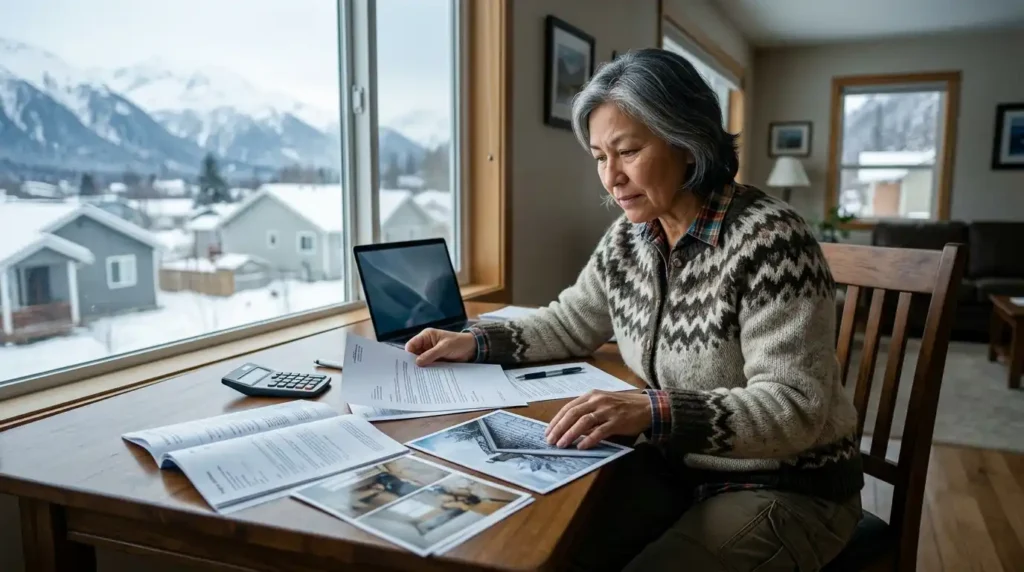
This distinction changes almost everything about your legal options, so it deserves careful attention. A first-party claim happens when you file a claim under your own insurance policy, such as your own homeowners or auto coverage after a covered loss. Some states lean heavily on first-party coverage, which is why Kentucky car insurance quotes often include personal injury protection.
In Alaska, you can sue your own insurer for bad faith when handling a first-party claim, because the duty of good faith runs directly between you and that insurer. A third-party claim is different. It happens when you try to collect from someone else’s insurer after that person caused your loss, such as the other driver’s insurer after a crash.
Alaska generally does not allow an injured person to sue another insurer directly for bad faith. This rule comes from the 1988 Alaska Supreme Court decision O.K. Lumber Co. v. Providence Washington Insurance Co. The reasoning is straightforward. You never had a contract with that insurer, so the duty of good faith was never owed to you personally.
Can You Sue The Other Driver’s Insurance Company Directly
The short answer is generally no, but the policy definition behind that answer matters. Because the O.K. Lumber decision found no contractual relationship between an injured third party and the at-fault driver’s insurer, a direct bad faith lawsuit against that insurer usually is not available.
When evaluating your options, it can also help to understand how the best car insurance companies handle third-party claims, settlement negotiations, and coverage disputes. A company’s reputation or size does not by itself create a legal right to sue it directly for bad faith.
There is a narrow exception through what is called an assigned claim. In this arrangement, the at-fault driver settles with the injured party and separately hands over their own personal bad-faith rights against their insurer. This is a specific legal transaction, and it does not happen automatically just because someone was injured.
If you were hit by an uninsured or underinsured driver, your claim shifts back into first-party territory because you are collecting from your own uninsured motorist coverage. That distinction alone can determine whether a lawyer even has a viable case to pursue.
When To Contact An Alaska Denied Claim Attorney
Contact an Alaska denied claim attorney as soon as a denial letter feels unclear, inconsistent, or unsupported by anything in the actual policy. Waiting rarely improves your position and often costs you time you did not realize you had.
Some denials are simply correct, and an honest review will tell you that quickly. Other denials fall apart the moment someone compares the stated reason against the policy language word for word. The only way to know which situation you are in is to have the file reviewed by someone who reads these policies for a living.
A lawyer will typically ask for your complete policy, the written denial, your claim number, and copies of every email or letter exchanged with the adjuster. This paperwork tells the real story faster than any phone summary ever could.
Warning Signs Your Claim Was Wrongfully Denied
Certain patterns show up again and again in claims that later turn out to be wrongfully denied. The denial letter cites a policy section without ever explaining how that section actually applies to your specific loss.
You were told one thing verbally by an adjuster, and something different appears in writing. The insurer approved a nearly identical claim for a neighbor or family member but denied yours under similar circumstances. Months pass with no meaningful update, or the same documents get requested over and over even after you have already provided them.
None of these signs alone guarantees that you have a winning case. Together, they are strong enough reasons to have a lawyer take a closer look before you accept the denial as final.
How Long Do You Have To Act In Alaska
This is the single most misunderstood part of an Alaska insurance dispute, so it deserves a direct answer. Alaska runs two separate clocks depending on the type of claim you are pursuing.
A bad faith tort claim generally must be filed within two years, under Alaska Statute 09.10.070. A breach of contract claim, meaning the simpler argument that the insurer failed to pay what the policy plainly promised, generally runs for three years under Alaska Statute 09.10.053.
The starting point for either clock usually depends on the date of the denial, but the exact starting point can shift based on the specific facts of the case. If your dispute involves auto coverage, keep records of your car insurance quotes, policy documents, claim communications, and denial letters so you have a clear record of the coverage you were offered and the insurer’s subsequent decision. Some policies also contain their own shorter internal deadlines for filing suit, which is one more reason to read the actual policy rather than rely on memory.
The Two Clock Deadline Problem
Here is the part many policyholders never discover until it is already too late. The same denied claim can sometimes support both a bad faith tort claim and a breach of contract claim, and each one runs on its own separate clock.
If you wait past the two-year mark, assuming you still have a full three years remaining, you may permanently lose the stronger bad-faith claim while the weaker contract claim technically survives. This mistake is common precisely because the two deadlines feel like they should move together, and they do not. Deadlines also vary by state, so readers reviewing Louisiana car insurance quotes should check their own state’s rules.
A lawyer calculates both deadlines the moment they review your file, rather than assuming one applies universally. This single step prevents the most common and most costly error people make on their own.
What Compensation Can An Alaska Bad Faith Insurance Lawyer Help You Recover
If a bad-faith claim is proven, compensation generally starts with the policy benefits that were wrongly withheld in the first place, plus interest for the time you went without that money. This is the baseline recovery in almost every successful case.
Beyond the unpaid benefits, Alaska allows additional tort damages once bad faith is established, including compensation tied to the financial hardship the delay or denial actually caused. In some cases, damages connected to documented emotional distress may also be available, depending on the facts.
Punitive damages are possible in a smaller share of cases, but only where there is clear and convincing evidence of outrageous conduct, meaning something well beyond an honest mistake or a reasonable difference of opinion about coverage.
Policy Benefits And Interest
The starting point of nearly every bad-faith recovery is the money that should have been paid under the policy in the first place. If a covered loss was worth twenty thousand dollars and the insurer paid nothing, that twenty thousand dollars is the floor of the recovery, not the ceiling.
Interest is typically added on top of that amount to account for the time value of money the policyholder went without. This is meant to make up for the fact that a dollar paid two years late is worth less than a dollar paid on time.
This part of the claim is generally the easiest to calculate because it is tied directly to documented policy limits and covered loss amounts rather than to a more subjective harm.
Emotional Distress And Tort Damages
Once a bad-faith tort is established, Alaska allows additional damages beyond the unpaid policy benefits. These can include compensation for the practical financial harm caused by the delay, such as costs incurred while waiting for a payment that should have already arrived.
In more serious cases, damages tied to documented emotional distress connected to the insurer’s conduct may also be part of the claim. This is not automatic and depends heavily on the specific facts and the severity of what happened.
A lawyer will typically need medical records, financial records, or other documented evidence before these additional damages can be pursued credibly in front of a judge or jury.
Punitive Damages And Alaska’s Statutory Cap
Punitive damages exist to punish especially outrageous conduct, not to compensate for an ordinary loss. Alaska Statute 09.17.020 requires clear and convincing evidence of conduct involving malice, bad motives, or reckless indifference before punitive damages can even be considered.
Under this same statute, punitive damages are generally capped at the greater of three times the compensatory damages awarded or five hundred thousand dollars. A narrower and higher cap applies only when the misconduct was proven to be motivated by financial gain that the insurer’s own decision-makers actually knew about at the time.
One detail surprises many policyholders. Alaska law directs a portion of any punitive damages award to the state itself rather than sending the entire amount to the injured policyholder. No lawyer can promise a punitive damages award before reviewing the specific facts of a case.
A Real Dollar Example
Numbers make this easier to understand than legal language alone. Picture a homeowner in Anchorage with a policy covering a burst pipe. The covered damage totals eighteen thousand dollars, and the policy carries a one thousand dollar deductible.
If the insurer wrongfully denies the entire claim, the base recovery in a successful case would generally start around seventeen thousand dollars, representing the covered loss after the deductible, plus interest for the time the homeowner went without that money. This is an illustrative example, not an actual case outcome or a promised result.
If the denial is later shown to be in bad faith rather than a simple mistake, additional tort damages could apply on top of that base figure, and punitive damages could theoretically apply in an extreme case involving proven outrageous conduct, though most cases never reach that level.
What To Do In The First 30 Days After A Denial
The steps taken right after a denial often shape everything that follows. Document everything first. Save the denial letter itself, every email, and detailed notes from every phone call, including the date, time, and the name of whoever you spoke with.
Request a written explanation tied to the specific policy provision the insurer is relying on, and use the insurer’s internal appeal process if one is available before escalating further. This internal step is often required and rarely takes more than a few weeks.
Talk to a lawyer before any deadline gets close, even if you are not sure yet whether you want to pursue a claim. A short consultation early in the process is worth far more than a long one after the clock has already run out.
Document Everything
Documentation is the backbone of every successful bad-faith claim. Without a clear written record, disputes about what an adjuster actually said often come down to one person’s memory against another’s, and memory fades quickly under stress.
Keep a simple folder, physical or digital, containing the policy itself, the denial letter, every piece of written correspondence, and a running log of every phone call. Include the date, the name of the person you spoke with, and a summary of what was discussed.
Photograph any physical damage extensively before repairs begin, and keep receipts for any expenses connected to the loss. This documentation becomes the foundation on which a lawyer will build the rest of the case.
File A Complaint With The Alaska Division Of Insurance
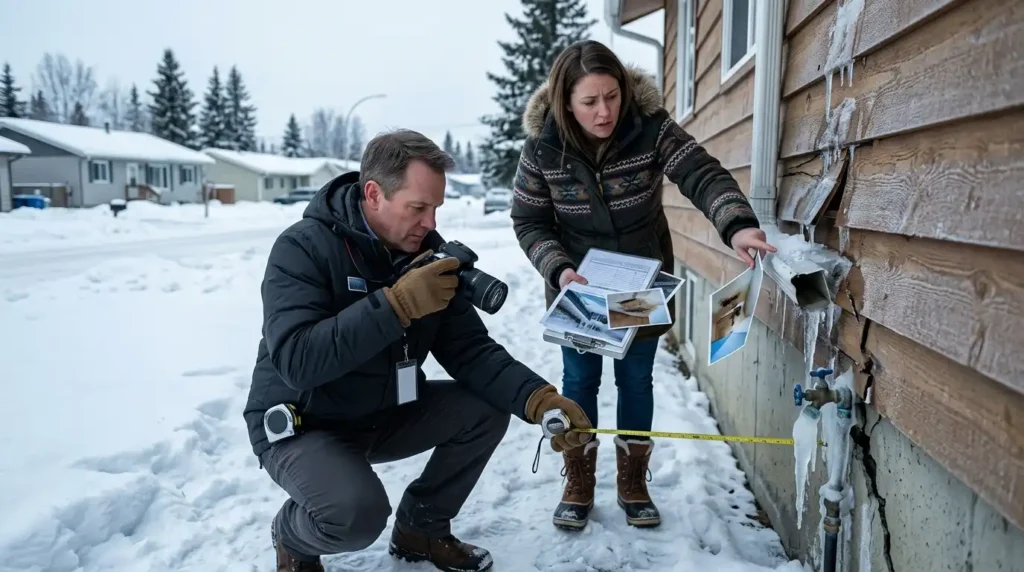
A complaint with the Alaska Division of Insurance is a regulatory tool, not a lawsuit, and it will not directly pay you money. What it does is create an official record of the insurer’s conduct and sometimes prompts a faster internal response.
Filing this complaint does not use up your legal deadlines, and it does not replace the need for a lawsuit if the facts support one. Think of it as one tool among several rather than a complete solution on its own.
Many policyholders file this complaint alongside consulting a lawyer, using the regulatory record to support the broader legal case rather than relying on it alone.
Special Situation: ERISA-Governed Disability Claims
Long-term disability claims work very differently depending on how the policy was obtained. If you purchased the disability policy yourself, as an individual rather than through an employer, Alaska’s state bad faith rules discussed throughout this guide generally apply.
If your disability coverage came through an employer-sponsored benefit plan, it is typically governed by a federal law called ERISA rather than Alaska state law. ERISA usually requires a mandatory internal administrative appeal before any lawsuit can even be filed, and that appeal carries its own strict deadline, often far shorter than Alaska’s state court deadlines.
ERISA cases are also generally decided in federal court rather than Alaska state court, and the state law bad faith remedy discussed earlier in this guide typically does not apply to these employer-sponsored plans at all.
Own Occupation Versus Any Occupation Definitions
One detail trips up disability claimants constantly, and it deserves its own explanation. An own occupation definition pays benefits if you cannot perform the specific job you held before becoming disabled.
Any occupation definition is much stricter. It only pays benefits if you cannot perform any job reasonably suited to your education, training, and experience, regardless of whether it matches your former career at all.
Many long-term disability denials happen when a policy quietly shifts from an own-occupation standard to an any-occupation standard after an initial benefit period ends, often around two years into a claim. A lawyer handling this type of appeal will look closely at exactly when and how that shift occurred.
Alaska Claim Disputes By Insurance Type
Insurance disputes look different depending on what type of policy is involved, and Alaska’s geography adds its own layer of complication on top of the ordinary issues.
Auto claims often involve a disputed repair estimate or an uninsured motorist dispute after a crash with a driver who carried no coverage. Homeowners’ claims often involve winter-related damage that raises questions about which exclusions actually apply. Long-term disability claims raise the ERISA questions covered above. Repair costs and rates also shift by state, as Nevada car insurance quotes show for drivers in a very different climate.
Each category has its own common friction points, which the next sections break down individually.
Auto And Uninsured Motorist Claims
Auto insurance disputes in Alaska frequently center on repair costs, injury valuation, or coverage limits after a serious crash. Comparing car insurance quotes before your policy renews is one of the simplest ways to confirm your liability limits still match your actual risk.
Full coverage car insurance does not mean every possible loss is automatically covered. The phrase generally refers to a combination of liability, collision, and comprehensive coverage, and exclusions and limits still apply under that label. Reviewing the best car insurance companies serving Alaska each year and reading the declarations page closely helps catch a thin liability limit before an accident exposes it.
If you were hit by an uninsured driver, your claim against your own uninsured motorist coverage is a first-party claim. That keeps the bad faith option open against your own insurer if the handling of that claim turns out to be unreasonable. A car insurance calculator can help you estimate what stronger uninsured motorist coverage might cost.
Homeowners And Property Claims
Homeowners’ claims in Alaska often involve winter-related losses, such as ice dam water intrusion, frozen and burst pipes, or roof collapse from heavy snow accumulation. Insurers sometimes deny these losses under a maintenance exclusion or a gradual damage exclusion, arguing the homeowner should have prevented the problem before it worsened.
Whether that kind of denial actually holds up depends entirely on the specific exclusion language in the policy and the real sequence of events leading to the damage. A sudden pipe burst is treated very differently than damage that built up slowly over months without being addressed.
This is exactly the kind of dispute where a lawyer adds real value by comparing the stated denial reasoning line by line against what the policy actually says rather than what the adjuster assumed.
Long-Term Disability Claims
As covered earlier, long-term disability claims split into two very different legal paths depending on whether the policy is individually purchased or employer-sponsored under ERISA. Getting this distinction right at the very start can save months of wasted effort pursuing the wrong process.
Documentation matters just as much here as in any other claim type. Medical records, work history, and a clear timeline of when symptoms began all factor heavily into whether a denial can be successfully appealed.
A lawyer familiar with disability appeals will usually request the entire claim file from the insurer early, since that file often reveals exactly what evidence the denial was actually based on.
Remote And Rural Claim Logistics In Alaska
Alaska’s geography creates practical friction that most other states simply do not deal with. Many communities are reachable only by air or water, which slows down property inspections, adjuster visits, and even basic mailed paperwork. Drivers in crowded states face very different risks, which California car insurance quotes clearly reflect.
If you live outside a major population center, build extra time into your expectations for site visits and repair estimates, since a second inspection trip can take weeks to schedule around weather and travel logistics. Photograph all damage immediately and keep digital copies of every document rather than relying only on physical mail.
None of this pauses the legal deadlines discussed earlier in this guide. The two-year and three-year clocks keep running regardless of how remote your location is, which is one more reason to move quickly on documentation.
Common Mistakes People Make Before Hiring A Lawyer
Waiting too long to act is the single costliest mistake. The two-year bad faith clock moves faster than most people expect, especially after months spent going back and forth directly with an adjuster before ever picking up the phone to call a lawyer.
Accepting the first settlement offer is another common misstep. Insurers sometimes lead with a lower number simply to see whether the policyholder will accept it without pushing back, and a quick acceptance can permanently close the door on a fairer payment.
Failing to document adjuster communications is a quieter problem, but it matters just as much. Without a written record, disputes about what was actually said tend to come down to one person’s memory against another’s.
How Comparative Fault Affects An Alaska Insurance Claim Lawyer
Comparative fault mainly comes into play in third-party injury claims connected to an insurance dispute, such as an uninsured or underinsured motorist situation after a crash. Under Alaska’s civil damages framework, compensation can be reduced in proportion to the claimant’s own share of fault rather than eliminated.
This means an Alaska insurance claim is not automatically all or nothing. If a claimant is found partly responsible for an accident, the compensation available is reduced by that percentage rather than denied outright, which is an important distinction many people do not expect. Some states are much stricter on fault, so drivers reviewing Maryland car insurance quotes should know the rules there differ.
This concept applies alongside, not instead of, the bad faith and deadline issues covered throughout this guide, since a claim can involve both a comparative fault question and a separate bad faith question about how the insurer handled it. No-fault states work differently again, which is one reason Michigan car insurance quotes look so different from Alaska rates.
How To Choose The Right Alaska Insurance Dispute Lawyer For Your Case
Ask direct questions before hiring anyone. How many Alaska bad faith or denied claim cases has this lawyer actually handled? Do they work on a contingency fee basis? What is their honest read on your specific deadline situation?
A short first conversation should give you a clear sense of whether your situation looks like an ordinary coverage dispute or a genuine bad faith case, and which of Alaska’s two deadlines applies to you either way.
Trust your read on how clearly the lawyer explains the difference between what is known, what is uncertain, and what still needs to be verified about your specific policy and claim.
Questions To Ask Before You Hire
Before signing anything, ask how the lawyer plans to evaluate your denial against the actual policy language rather than against a general impression of fairness. Ask whether your claim looks more like a straightforward contract dispute or a genuine bad-faith case.
Ask directly which statute of limitations applies to your situation and when that clock actually started running based on the facts of your claim. A lawyer who cannot answer this clearly and confidently after reviewing your file is not ready to represent you.
Finally, ask what documents they will need from you immediately, since gathering that paperwork early often matters more than anything else in the first few weeks.
Understanding Contingency Fees
Most lawyers handling bad faith and denied claim cases work on a contingency fee basis. This means there is no upfront cost to hire the lawyer, and payment comes only from a percentage of any money actually recovered.
Get the exact percentage in writing before signing any agreement, and ask specifically what happens to costs and expenses if the case does not succeed. These details vary between law firms and should never be assumed.
A contingency arrangement generally aligns the lawyer’s incentive with your own, since neither side gets paid unless the case actually results in a fair recovery.
Key Takeaways From This Guide
A denied, delayed, or underpaid claim is not always the final word on the matter. Alaska treats bad faith as a real legal claim with its own two-year deadline, separate from the three-year deadline that applies to a more straightforward breach of contract claim.
First-party claims against your own insurer generally allow a bad-faith lawsuit if the facts support one. Third-party claims against someone else’s insurer generally do not, outside of a narrow assigned claim exception. Employer-sponsored disability claims follow federal ERISA rules instead of Alaska state law, with their own strict appeal process and deadlines.
If you are dealing with a denial today, start documenting everything immediately, consider filing a complaint with the Alaska Division of Insurance if the conduct seems unreasonable, and speak with an Alaska insurance claim lawyer well before any deadline gets close. The specific details of your policy and the exact facts of your loss are what ultimately decide the outcome, not general information contained in an article like this one.
This article provides general educational information about Alaska insurance law and is not individualized legal advice. Actual outcomes depend on your specific policy, the facts of your claim, and applicable deadlines. Readers dealing with similar issues elsewhere may also find it useful to compare an Alabama insurance claim lawyer, current Alabama car insurance quotes, or current Alaska car insurance quotes before making a final decision about their coverage or their next step.
Frequently Asked Questions About Working With A Lawyer
Do I need a lawyer for a simple denial?
Not always. If the denial is clearly correct under the policy, a lawyer may simply confirm that quickly. A lawyer becomes genuinely useful when the reasoning behind a denial is unclear or does not match the actual policy language.
Can an insurance attorney help with ERISA appeals?
Yes. ERISA appeals involve specific procedural steps and strict deadlines, and an attorney familiar with disability claims can help build the administrative record correctly before that record becomes final and unchangeable.
What does a denied claim lawyer typically charge?
Most work is on a contingency fee, meaning payment comes from a percentage of any recovery rather than an upfront cost. Ask about this arrangement directly during your first conversation.
When should I bring in a lawyer instead of handling a claim myself?
As soon as the denial reasoning seems unclear, the dollar amount involved is significant, or you are genuinely unsure which of Alaska’s deadlines applies to your specific situation.

Michael Bennett is a U.S. insurance research and consumer education writer at Insurancebasics Hub, an independent resource dedicated to helping consumers understand insurance policies, coverage decisions, claims, and insurance-related consumer protections. His work covers auto, homeowners, renters, life, and other areas of insurance, with a focus on making complex insurance topics easier to understand.
Michael takes a research-focused approach to insurance content, using authoritative government and regulatory resources, state insurance department guidance, applicable insurance rules, policy provisions, and documented industry information. His articles examine important details such as coverage limits, deductibles, exclusions, policy conditions, premiums, claims, denials, cancellations, renewals, and state-specific requirements.
His goal is to provide accurate, transparent, and practical information that helps readers make better-informed insurance decisions. Insurancebasics Hub provides general educational information and does not replace individualized advice from a licensed insurance professional, attorney, financial professional, or other qualified adviser.
2 Responses